If we want a better future for our students, we can’t keep tinkering at the margins of K-12 education. We need a new ecosystem of learning — one that truly prepares young people to thrive in school, career, and life. That means reimagining teaching and learning in ways that look radically different from what we’ve known. Every day, we see proof that innovation works: students are gaining confidence, mastering content and new skills, and finding belonging in schools that dare to look different and in tools designed to meet them where they are.
Today, NewSchools is announcing more than $23 million in investments to over 80 ventures, including a new cohort selected from 1,600 applications nationwide — a 45% increase from last year. At a time when it would be easy to pull back, innovators are stepping forward with courage, resilience, and bold visions for what comes next in education.
At NewSchools, we believe leading means going first. We bet early on leaders with bold ideas so the whole field can move toward something better. The investments announced today reflect that commitment, and the trends that follow highlight the momentum we’re seeing in areas that are helping students meet the future, today.
Connecting Students to Real-World Opportunities

Families don’t just want their kids to graduate from high school — they want them to be ready for what comes next. Yet too often students leave their K-12 experience underprepared for college and the workforce. We’re funding new schools and approaches that are changing that.
Many of our new high schools are connecting learning to opportunity by integrating early college, paid work-based learning, and industry credentials in high-demand fields — from healthcare and maritime to tech and aviation — so students graduate with both a diploma and a head start toward family-sustaining wages. Career-connected learning ensures young people see purpose and relevance in what they are learning every day.
Relevant, real-world experiences are also central to the museum-based and game-based approaches emerging in our portfolio. Museum-based schools connect students with community and cultural institutions for interdisciplinary projects, exhibitions, and service learning, while game-based learning uses missions and challenges to build persistence, collaboration and critical thinking. Students are driving their learning, developing problem-solving skills and sense of purpose as they engage with issues that matter in their communities.
These schools are also redefining what it means to be an educator. Teachers, industry professionals, and community members are working side by side to help young people gain both academic skills and practical experiences that open doors to future options. It’s a shift that challenges the old “one teacher, one classroom” model and replaces it with a network of expertise and support.
Designing AI to Strengthen Teaching and Learning
With so much hype around AI, it can be hard to tell what really matters for teaching and learning. We’re supporting innovations that use AI responsibly and practically to benefit students and educators. These solutions don’t replace teachers — they amplify their expertise and make personalized support possible at scale.
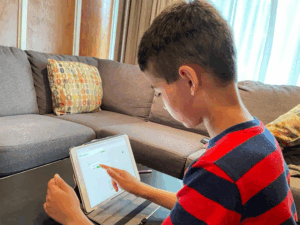
New ventures are using AI in thoughtful ways to help students strengthen their reading and math skills. Some developers are building automatic speech recognition systems trained on young readers’ voices, giving multilingual learners and those with dyslexia access to accurate, real-time feedback. Others are creating platforms that encourage students to talk through their math reasoning or practice concepts in playful, interactive ways, boosting both confidence and mastery.
AI is also helping schools better support students with learning differences by turning complex data into clear insights that educators can act on, making it easier to personalize instruction and close gaps faster. For teachers, new AI-powered tools are expanding access to instructional coaching, professional learning, and expert guidance — all of which strengthen instruction and support student learning.
Creating Communities of Care
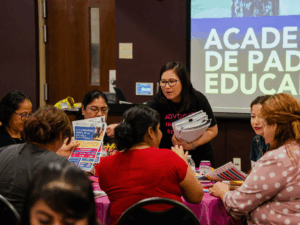
Students thrive when schools foster belonging and provide support that extends beyond academics. We’re investing in schools and solutions that build true communities of care — places where relationships, inclusion, and shared responsibility are central to learning.
Some schools are designed specifically for neurodiverse learners, particularly students with autism. These models integrate therapeutic supports into academics, affirm student strengths, and prepare young people for adulthood. Others are intentionally diverse by design, reflecting the makeup of their communities and demonstrating leaders’ commitment to creating environments where differences are respected and shared experiences are valued.
We’re also funding ventures reimagining how educators work together. Rather than one teacher carrying the full load, teams of teachers, parents, caregivers, and community partners share responsibility for every student. These “villages of care” strengthen both teacher sustainability and student outcomes — proving that when more adults are connected to each child, more schools can meet the full range of students’ needs.
Better Is Within Reach
Our new investments were shaped with input from students, educators, families, and researchers, ensuring our choices stay grounded in the realities of schools and student needs. Over the next year, each venture will receive funding and hands-on support to test, refine, and take their ideas to the next level.
Our venture leaders are proving that better is within reach. We invite you to join us in supporting their work so that together we can move promising ideas into practice for millions of students.