


Thirteen-year-old Kemal’s family fled Iraq when he was seven, landing in South Nashville’s Nolensville Pike corridor. At his previous school, Kemal felt split in two; the studious boy his teachers wanted to see and the son who translated for his parents at doctor visits. But during Circle at Valor, Kemal talks about both versions of himself and discovers they’re not separate at all. They’re simply different facets of what makes him who he is. At Valor, Kemal found a school that embraces his complexity and celebrates it as a strength.
(Kemal is a composite student, based on the real experiences of Valor students.)
Valor Collegiate Academies is showing what it looks like when schools balance academic excellence with intentional support for students’ personal growth. The result is young people who leave school not only well-prepared for college and careers but also grounded in who they are and how they want to contribute to the world.
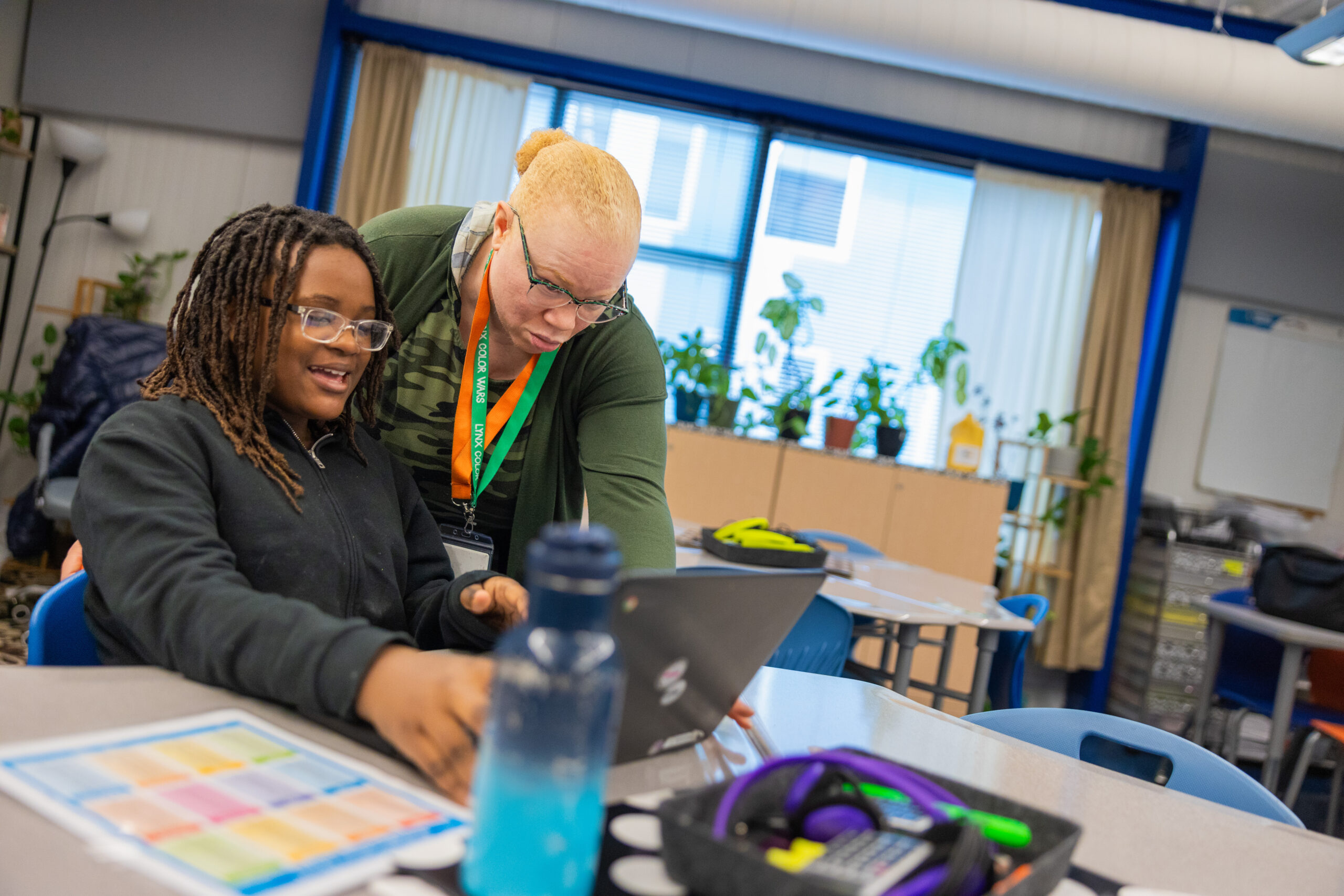
The idea took shape through the partnership of identical twin brothers with complementary expertise. CEO Todd Dickson, then executive director at Summit Public Schools in California, visited his brother Daren Dickson at Seneca Center, where Daren worked as a therapist and social worker with vulnerable youth and families. Watching young people support one another through Circle processes, Todd had an “aha moment”: “What if a school were designed from the ground up to make social-emotional growth as central as academics?”
This vision caught the attention of Nashville Mayor Karl Dean, who recruited Todd to bring the model to Tennessee. In 2014, Valor opened its first school. Today, the network has grown to three campuses serving 1,900 students.
The student and educator experience at Valor is anchored in a human development framework called Compass. It helps young people and adults strengthen the habits, mindsets, and values they need to navigate life with purpose. Rather than treating academics and personal growth as separate, Compass integrates them. Students build intellectual curiosity and academic skills while also developing clarity about their values, empathy in relationships, and sense of how their individual gifts can serve their community.
Academics and Compass reinforce each other by design. Instead of inventing a new curriculum, Valor partnered with Achievement First (AF) schools to adopt its Navigator curriculum and then adapted pieces of it to align with Compass. This allowed teachers to focus their energy on delivering excellent instruction and building relationships with students.
Each student has a personalized learning plan overseen by a faculty mentor who tracks not only academic progress but also social-emotional and physical health. In this way, rigorous content and whole-child development are treated as complementary rather than competing priorities.
 |
 |
 |

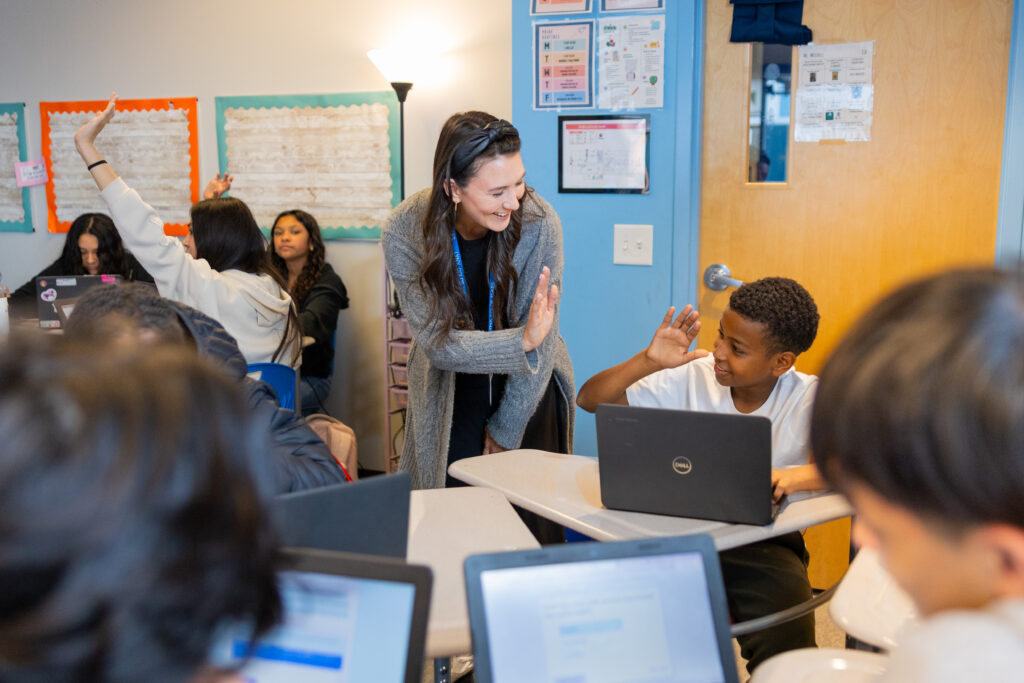

From the start, Valor made a deliberate choice to focus on building Compass while adopting proven academic curricula rather than trying to invent everything at once. This strategy allowed teachers to excel in instruction, weave human development into daily practice, and sustain quality as the network grew.
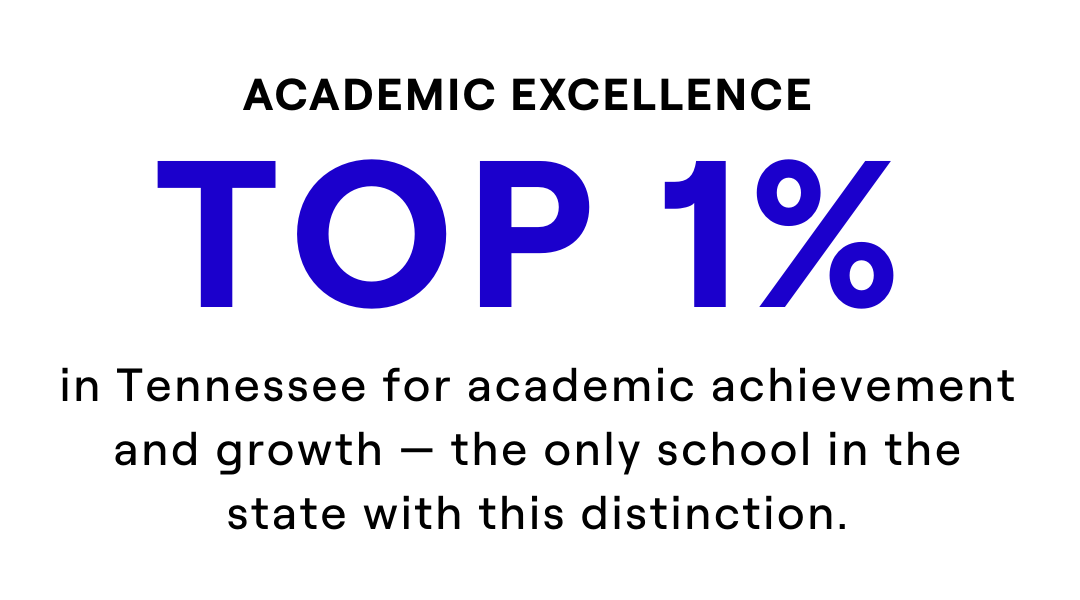
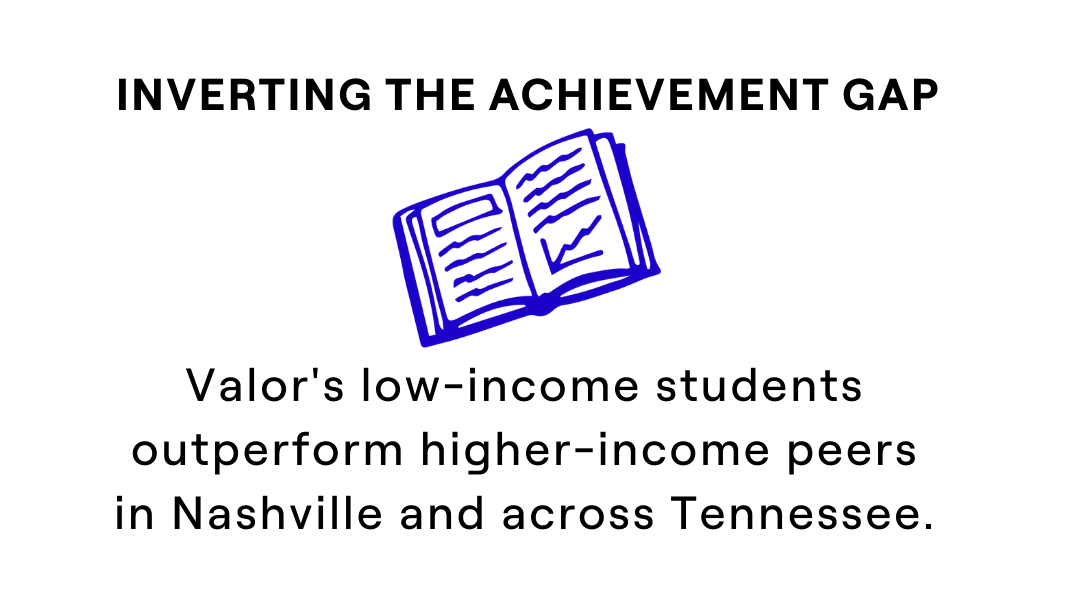
The payoff has been outstanding results. Valor consistently ranks in the top 5% of Tennessee schools for both achievement and growth, is the only charter network in the state with an A+ rating, and posts composite ACT scores in the 99th percentile of all open-enrollment high schools.
As Valor grew from a small, tight-knit founding team to a network of 1,900 students, the team realized that maintaining strong outcomes required the same intentional investment in adults as in students. All staff now engage in Compass practices, supported by professional development and trust-building systems, and shared decision-making protocols. These structures help adults manage the demand of the work, preserve culture, and model the growth mindset students need to see.
When other schools expressed interest in adopting Compass, Valor partnered with Transcend Education to help document and codify its model and create professional development to support educators outside the network. This process prompted Valor to clarify fuzzy concepts, identify essential versus optional components, and develop clear metrics for success, helping the network maintain quality over time.
Today, through Compass Camp and other partnerships, Valor supports 64 schools reaching 30,000 students nationwide. At Compass partner schools, 90% of students say Circle helps them understand others, and 87% say it shows them that what they say and do matters to other people. As for teachers, 90% report that Circle changed their approach to emotions, and 80% say it has helped them develop friendships.